

Here’s the thing. We’ve been in lockdown for over four weeks now. It’s not total lockdown. We’re allowed outside to get groceries, medicine, supplies. To go for walks and runs so long as we maintain the 2-metre distance rule. But to just “be” outside, to sit on a park bench and soak up the Toronto spring sun that’s finally starting to appear, to grab a coffee mid-way on your walk and sit in the café window watching the world go by, these are no longer. Things that I took for granted, that we all took for granted.
People are restless. They’re angry, they’re sad, they’re confused. They’re unemployed and waiting on government cheques so they can pay their rent. They’re baking banana bread and having virtual happy hours and crying themselves to sleep at night.
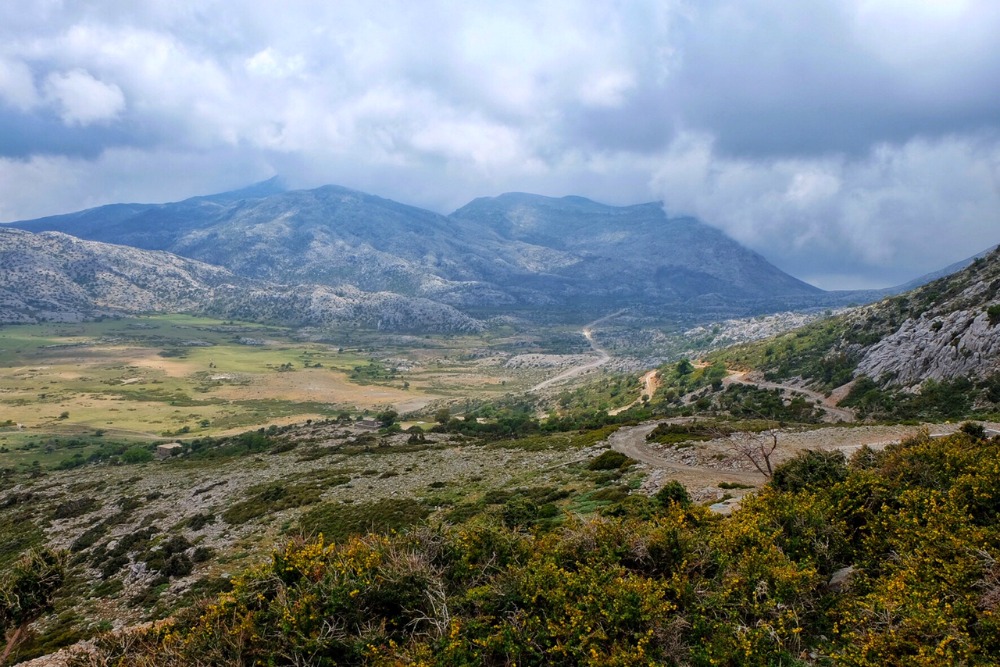
The centre of Crete’s Rethymno prefecture is shaped like a hand. The palm is Psiloritis, the mountain range that can be seen from every angle in this part of the island; the highest point of Mount Ida is your middle knuckle. From the mountains, ridges reach toward the north coast like fingers, narrow ledges with gaping gorges in between. The landscape means that two villages can be a mere 500 metres apart in space, but to actually reach the other, you need to drive up and down and around some five kilometres or more.
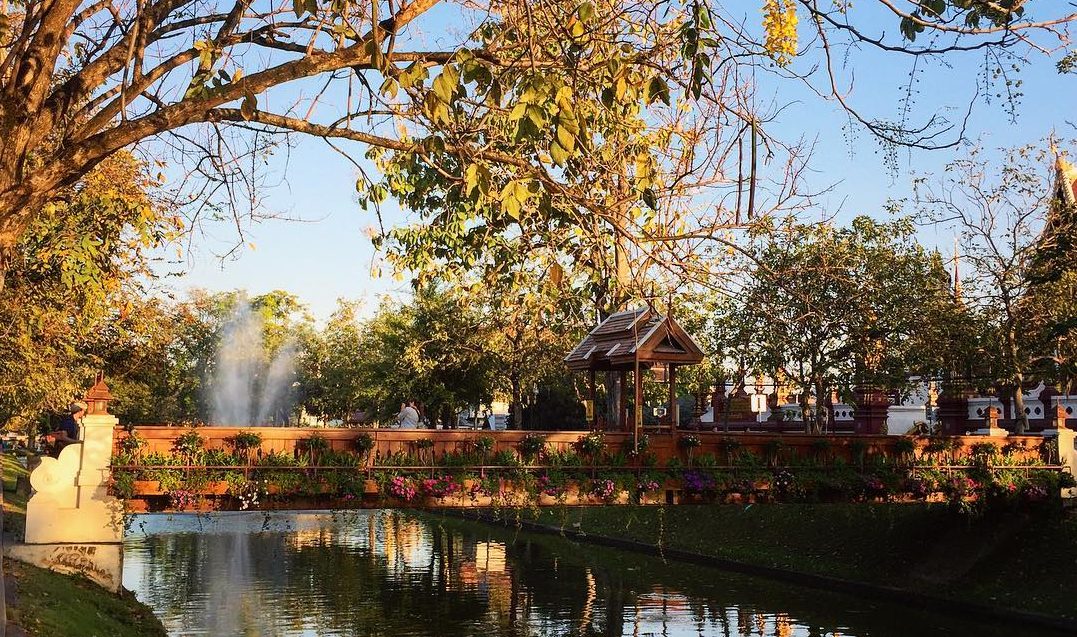
A few months ago, a friend and I were discussing how long you need to be in a place before it feels like you’ve really experienced it. She was in the midst of planning a year abroad, and I was about to leave for my six months overseas, and we were mulling over how long we’d be in our respective destinations. Could you feel like you belonged in just a few weeks? Was two months enough? Did you need a full year before you could say it felt like home?

The best way to describe Khanom isn’t by its scenery (as stunning as it is). You can’t describe it by what to do there (hint: there’s not much). You can’t even describe it by its location near the islands (a mere ferry ride away). No, the best way to describe Khanom — a town so small that often Thai locals in Bangkok and Chiang Mai don’t know where it is — is by its people.

I’m going there.
I wasn’t going to. You know, since it’s not like I have anything to say that hasn’t already been said. But it’s everywhere, even over here.
I subscribe to CNN and BBC news alerts on my phone. Those alerts used to be infrequent – only in cases of natural disasters and tragedies. I regularly would say that when an alert came through, you knew it wasn’t good news. Lately I’ve been waking up to three, four, five alerts and sometimes more every morning detailing the latest in the USA. They come in while I sleep, while North America is churning out news, and so my morning greeting is a tally of what I missed over the past eight hours. And no, it’s still not good news.
Once upon a time, I used to write long, sweeping emails about my trips for friends and family. This was in the days before social media (that’s right, kiddos, I’m old), so instead of posting daily commentaries and photos of my lunch whenever I was far from home, I would write out lengthy stories about, well, nothing really at all. The people I met. Something cool I had seen. A new cultural tidbit I had learned. It was those emails that led me into travel writing as a career, because the friends and family I wrote to told me they enjoyed seeing those long-winded emails land in their inboxes. I realized I actually had a skill for turning the inane moments of travel into something funny or sad or insightful.

I booked a flight to Bangkok last night.
That in itself is not very noteworthy. Flights are booked all the time, and I was just in BKK seven months ago. It’s noteworthy to me only in that there’s no return date on that ticket.

“How many of you have been to this area?” asks Dyson Forbes.
We’re standing on the front porch of Mad Maple Country Inn just outside Creemore in Southern Ontario, where Forbes is about to lead us on a foraging tutorial through the forest behind the inn.
I tell him I grew up here, in Simcoe County, and that my parents now live less than 30 kilometres from where we stand now.
“So you must know a lot of what grows around here,” he says.
It’s said with sincerity, but it’s not until I replay it in my head later that I ask it of myself with a bit of sarcasm. That’s because, truth be told, I don’t know what grows in the land that I called home (still, in many ways call home even though I’m a Toronto resident now).
Read More
I’ve never been one for roses and chocolates (lies: I’m all about the chocolate). And Valentine’s Day always struck me as annoying — in a relationship, it’s a forced time for romance; single, it’s a time to feel badly about yourself. No thanks.
But one thing I am a fan of is giving a little romance to yourself (and not in that way; minds out of the gutter, please). Coupled, singled, it’s-complicated — no matter your relationship status, I recommend you set aside a date for you and you alone, whenever you can, no matter the day on the calendar. And I particularly recommend, if you’ve got the time for it, a full weekend of going solo. Need some ideas? Let me suggest Montreal.
Read More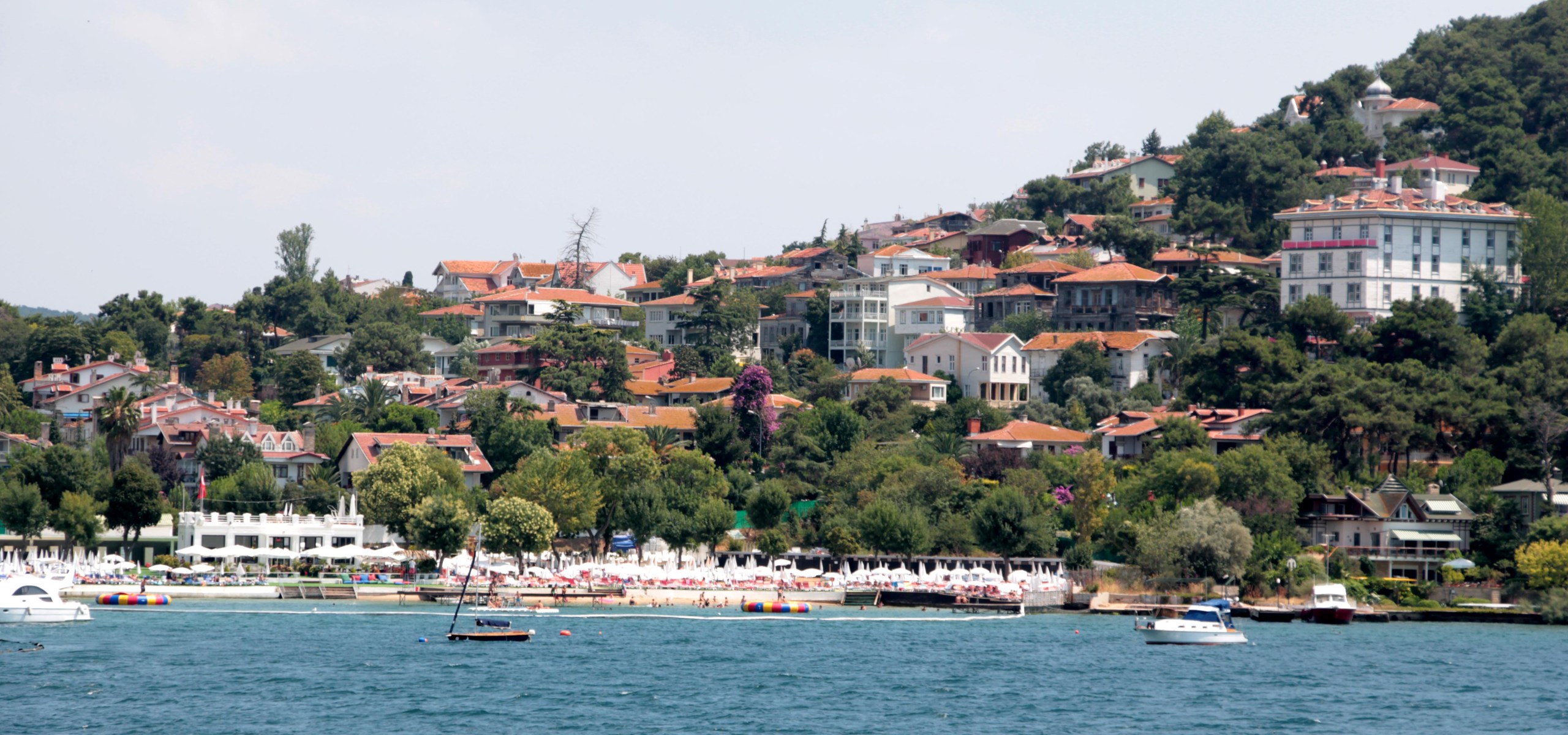
It’s just after 6pm on a Tuesday in Istanbul. The line of traffic snakes down Kemeralti Caddesi, workers all heading toward the Bosphorus Bridge to take them out of the city’s downtown European core and home to the primarily residential Asian side. It’s rush hour, but it could really be any time of day—such is the downfall of being Europe’s most populated city (15 million as of 2013), along the banks of one of the city’s iconic slivers of water.
Istanbul is, after all, the only city in the world to balance on the edge of two continents. The beautiful Bosphorus Strait divides the city in half, meaning it’s literally possible to stand in Europe and gaze at Asia or, like many of Istanbul’s residents, make the daily commute between continents.
Read More
 Anywhere & Here