
Stick to the trail when touring Iceland’s alien and volatile Lake Mývatn
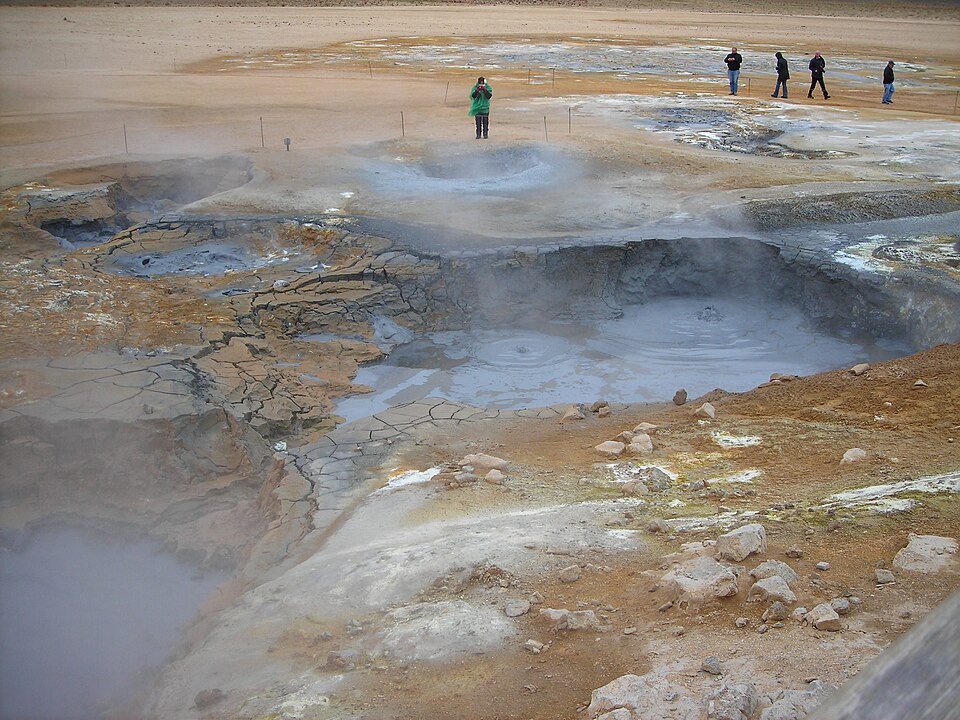
Iceland’s landscape is often described as “other worldly” or “eerie,” with its black lava fields, steaming hot springs, and temperamental volcanoes that leave you feeling as if you’re on another planet. And while much of this small arctic country fits that description, perhaps no area displays the alien-like beauty of Iceland like Lake Mývatn.
Located in the tiny village of Reykjahlíð in northern Iceland, Mývatn sits nestled amidst ancient lava fields, bubbling craters, and steaming, sulphuric mountains that are tinged in surreal shades of orange and pink pastel. It is a highly volatile area, as Mývatn sits directly atop the mid-Atlantic ridge – an underwater mountain range and the spot where Europe and North America are literally pulling away from each other. The resulting landscape is the result of thousands of years worth of violent volcanic eruptions. The lake itself is littered with more than 50 small islands known as pseudocraters, which resemble hollowed out hills and were formed by gas explosions as boiling lava from nearby volcanoes flowed into the lake.
One of Iceland’s most famous volcanoes, the Krafla fissure, sits in the Mývatn area. It last erupted in a spectacular explosion in 1984, when an 8.5 km long fissure opened up, spewing fire from the ground. Krafla is still highly active (a geothermal power plant has been built there, harnessing some of this energy), and is considered an extremely dangerous volcano. While visitors are allowed to walk on the trails around the area, they are strongly advised to stick only to the marked trails. The ground at Krafla is extremely hot and thin in spots, and one wrong step could plunge your foot through.
There are numerous hiking trails around Mývatn, with the most impressive one being the Hverfell-Dimmuborgir trail. This path will lead you to some of Mývatn’s most interesting sites, including water-filled caves where the water is 45 degrees celsius, massive craters from past eruptions, and oddly shaped lava formations that date back 2000 years.
After a day of hiking through lava fields and visiting the boiling craters of Krafla, spend the evening floating in the Mývatn Nature Bath. A smaller version of Reykjavík’s Blue Lagoon, it is a soothing pool of hot, turquoise-coloured water, perched atop a hill overlooking Mývatn and the town of Reykjahlið. As you soak in the naturally heated pool, you can gaze out at the black lava fields, pseudocraters, and desert-like geothermal fields, and marvel at the alien beauty of Iceland.
When to go to Lake Myvatn
The best time to visit Iceland is from May to August as the weather is at its warmest, the days are at their longest, and all tourist accommodations are up and running. Of course, it also means it’s when the country is at its busiest. If you prefer less crowds, but still want the convenience of mild weather and long days, visit in late April or early September. Just be warned that many hotels and restaurants in the smaller towns only operate during peak tourist season.
There is an annual marathon in June that sends runners on laps around Lake Myvatn.
Odds n’ ends
- Mývatn translslates to “midge lake”, and in mid-summer, the area is swarmed with these blackfly-like insects. Some midge species bite, so buy some good insect repellent if you plan to visit in June/July.
- Hotels can book up quickly in the Mývatn area, especially in the peak summer months, so it’s important to book ahead. Be prepared for pricey accommodations. For the outdoorsy type, campgrounds are a more affordable option.
Places to eat
Gamli Bærinn (The Old Farm)
Pub-style restaurant next to the Hótel Reynihlíð, featuring traditional Icelandic cuisine, including lamb soup and hverabrauð (a locally made molasses rye bread that is baked underground by natural geothermal heat).
Places to stay
Hótel Reynihlíð
Considered a business-class hotel, it offers clean but basic accommodations in a cozy setting; however, rates are on the expensive side.
Hótel Reykjahlíð
Small hotel at a mid-level price range, with excellent views of the lake.
This article originally appeared on thecircumference.org.
Featured image: Wikimedia Commons

