

Pop quiz: You’re headed to Calgary for a culinary weekend. What are you going to eat?
Beef, you say. Of course.
Well, not exactly. Sure, the west is known as the beef headquarters of Canada, and the first time I visited Calgary, I ate so much of Alberta’s acclaimed AAA beef that I’m pretty sure I cleaned out at least one cattle ranch entirely on my own.
But as it turns out, Alberta, and the city of Calgary in particular, is about a heck of a lot more than steak and burgers. Not only that, but it’s also home to some pretty damn good chefs, both established and up-and-coming.

The first time someone told me they were living vicariously through me, I felt a little thrill inside. It meant I was doing something admirable and, dare I say it, worthy of jealousy. And then I heard it a few more times. And a few more. And each time, it rang a little differently in my ear until it wasn’t so thrilling any more.
And then at some point, it switched to this: “Oh, must be nice.” I’m sure the phrase was never uttered with malice, but my ears heard hostility. Maybe the tone was conscious, maybe not. Or maybe the tone was merely a figment of my own insecurities. Regardless, there comes a point in almost every traveller’s life when they start to feel like travel is the elephant in the room.
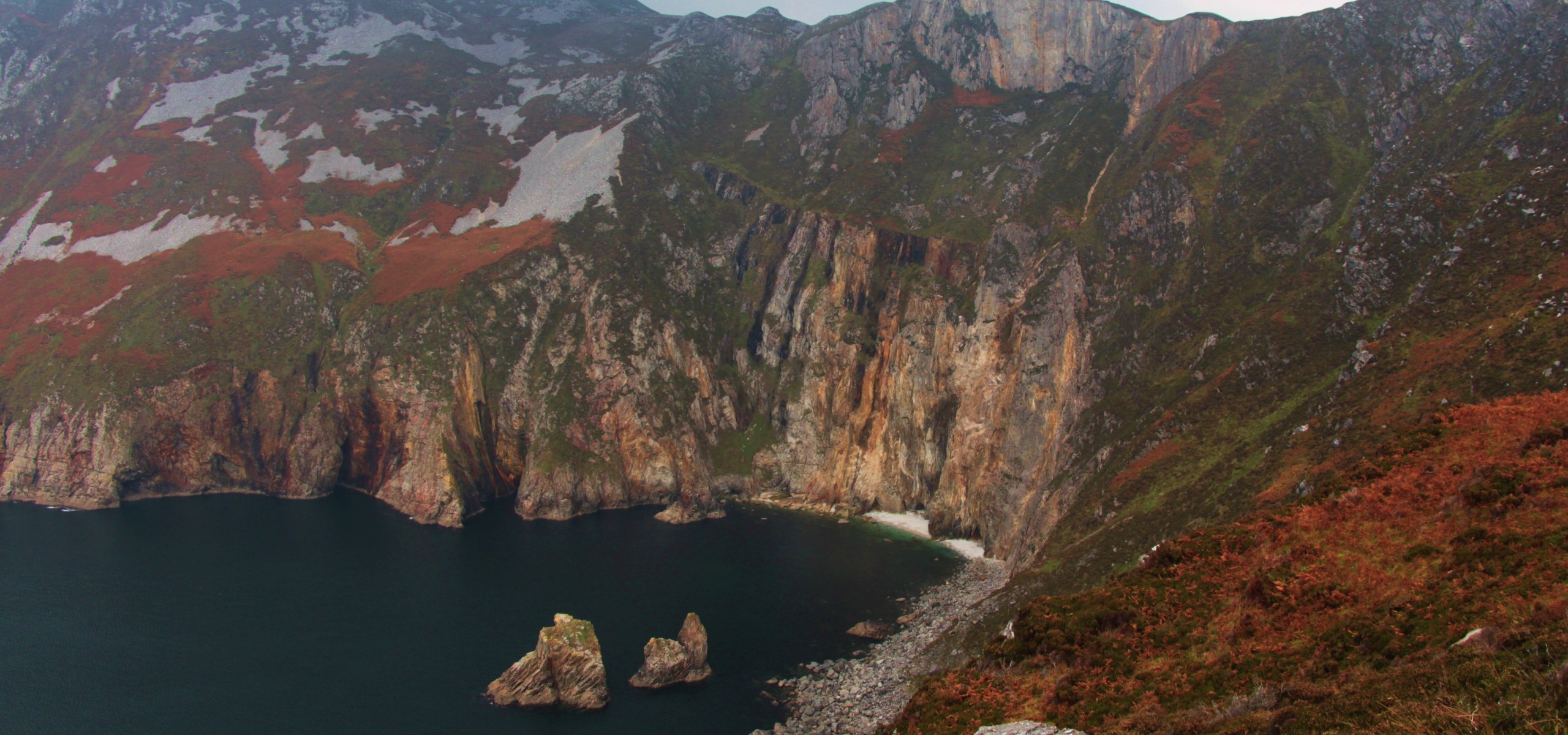
People who know me know that I’m a tad emotional (read: cries at mountains and Christmas carols). It’s a trait I inherited from my mother, along with blonde-ish hair, chronic hiccups and a severe case of the giggles. So it’s little surprise that saying goodbye to TBEX Europe left me, well, a little blubbery.
Read More
I don’t know why I can’t get her out of my head. I didn’t know Anita Mac personally; she was just the voice behind a URL, someone who shared some connections with me, who loved travel and writing like I do. I don’t know why, when I opened my Facebook newsfeed and saw a note that she had taken her own life, when I read her final blog post about feeling alone, it hit me so hard that I sat at my desk sobbing on a Sunday afternoon for a woman whom I had never met.

It’s the little things in life that are the most wonderful. A small exchange with a kind stranger, a moment of laughter with a good friend, a taste of something homemade and pure. And when you can experience all that together under the warm sun on an August afternoon—like I did this past weekend at at the annual Flavours in the Field culinary festival, in New Tecumseth, Ontario—well, it really is pretty wonderful.

Just over a week ago, I was fortunate to spend five days in Istanbul, Turkey, courtesy of Turkish Airlines Canada, Conrad Hilton Istanbul and InS Luxury Tours. And at the risk of sounding obnoxiously gushy, it was pretty damn incredible. As I’ve previously written, I didn’t know what to expect from Istanbul, but it didn’t take me long to fall in love with the gorgeous scenery and culture that make up this East-meets-West city.
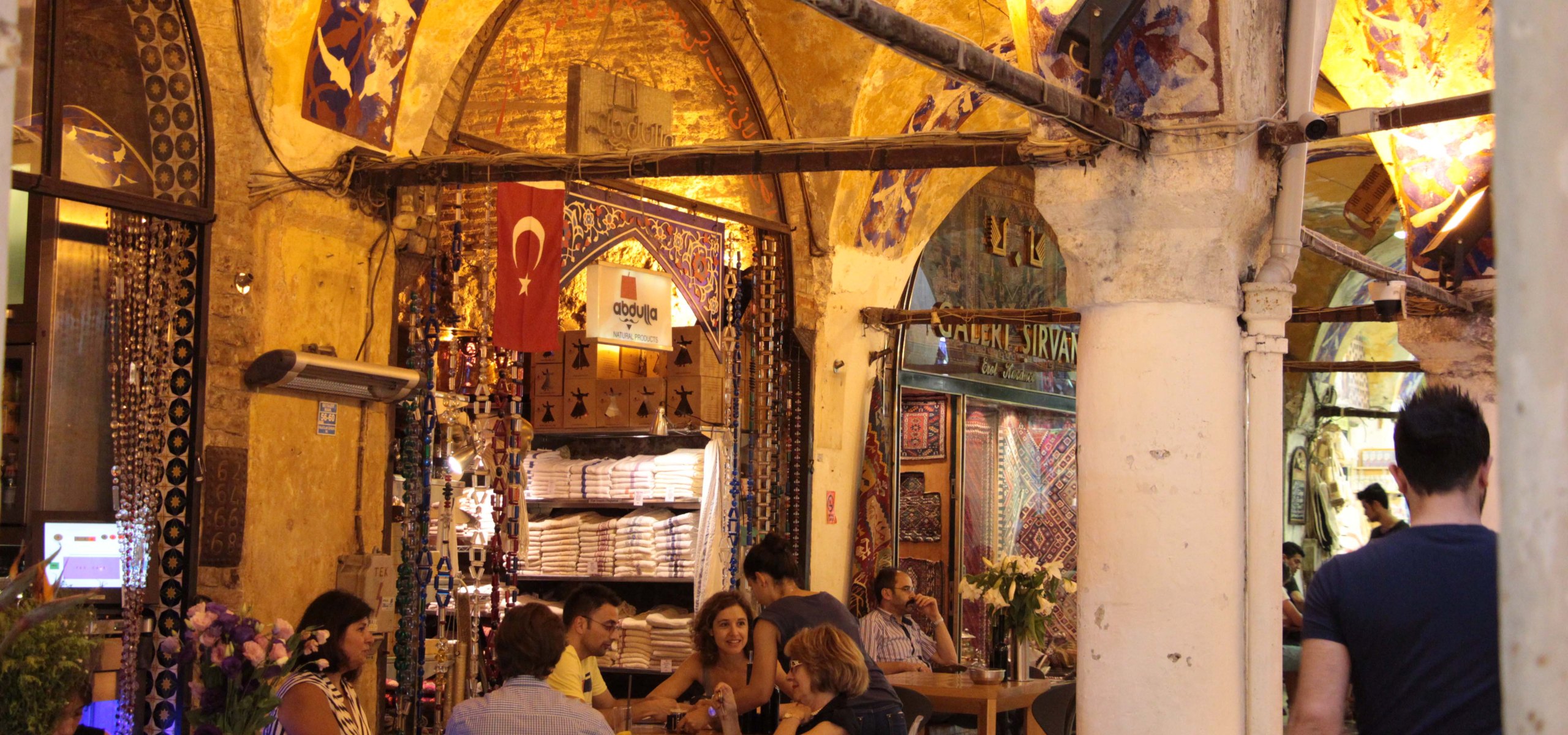
I wasn’t sure what to expect when I headed to Istanbul last week. Sure, there were some things I already knew about the destination, like how it’s where Europe and Asia meet, both figuratively and literally (the Bosphorus Strait, which runs through the centre of the city, is the geographical dividing point between the two continents), and how the only thing North Americans have seen of Turkey over the past few months has been the riots in Taksim Square.
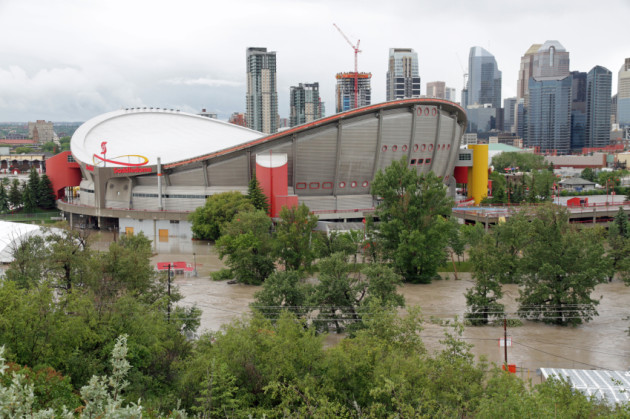
By now, the images are etched in Canadians’ minds: the flood pouring through downtown Calgary, the washed out Stampede grounds, the faces of Calgarians as they watched their city sink underwater. And with the annual Stampede—by far Calgary’s biggest event and tourism draw—just days away and risking cancellation, it was like the tragedy had been magnified.
And yet, despite all odds, the rodeo went on.
Calgary may have just experienced one of Canada’s most devastating natural disasters, but if you were a tourist in town for the Stampede, which just finished this past weekend, you’d barely have noticed. In the space of less than two weeks, the city had managed to achieve what many thought was impossible. Much of the downtown core and the iconic Stampede grounds now look to be in perfect shape, and the hugely successful #yycisopen marketing campaign showed people across the country that Calgary—and the Stampede—was ready for business. And when your leader Naheed Nenshi is the most beloved mayor in Canada, his face even plastered on Superman movie posters at city bus stops, it’s easy to believe everything is back to normal in Calgary.
But behind the scenes, Calgary is still very much healing. It’s strange to think as you walk through the active downtown about what just happened a few weeks ago—until you stumble across the repairs still to be made, like collapsed bridges over the Bow River and chunks of road that have crumbled and washed away. Head over the Elbow to Bowness and you’ll see everything from tree debris to destroyed appliances on the side of the road. Some sections of Calgary remain evacuated. And in High River, by far the hardest hit area, it’s still a dire state. Most of the town still remains underwater and, what’s worse, the flood waters seem to have stopped receding.
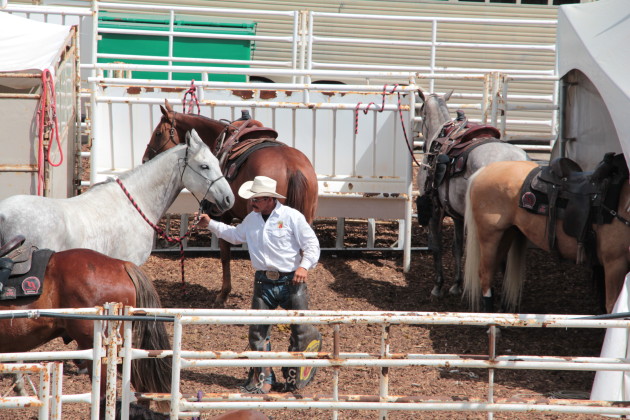
On the Stampede grounds, the damage was carefully hidden from the audience’s eyes, but was there nonetheless. Behind the chutes of the rodeo field, dressing rooms and sports therapy clinics were no longer permanent fixtures of the grounds, but rather trailers that were brought in as a temporary solution after the rotted, damaged backstage had to be torn down.
Beneath the grandstand, where The Young Canadians who close out the Stampede every year rehearse and prepare, 90,000 square feet of backstage space was completely submerged. Close to $1 million dollars’ worth of electrical equipment was lost. Where dressing rooms with individual make-up stations and rows of costumes and stage equipment once stood, makeshift plastic dividing walls and curtains now fill the gutted concrete basement. Wendy Tynan, a long-time volunteer with the Stampede, says her team’s list of repairs to be made is currently at 38 pages and growing every day.
But all of this was invisible to spectators at Stampede. In fact, it’s almost eerie how normal everything seemed. The rodeo ran like clockwork and the closing Grandstand Show was a flawless spectacle of lasers and flying acrobatics.
“We made the decision to make changes to the front of house versus the back of house,” Jackie McAtee, director of consumer marketing for the Calgary Stampede, told me. “The audience wouldn’t know anything was wrong.”
And it certainly was hard to find something wrong at Stampede. Apart from the cancelled shows by the Dixie Chicks, Kiss, Carly Rae Jepsen and Tim McGraw at the flooded-out Saddledome, it would seem to anyone there that Stampede hadn’t even flinched in the face of the flood. For two weeks, the only steady reminder of the damage was the wildly successful “Come Hell or High Water” t-shirts, inspired by Stampede chairman Bob Thompson’s speech, and the profits of which are being donated to flood relief efforts (as of Stampede’s closing, $2.1 million had been raised through t-shirt sales). For many tourists, it likely wasn’t until the closing moment of the Grandstand Show, when screens flashed images of the flood and told the audience that this year the fireworks were in honour of the spirit of Calgarians, that the disaster was brought to front of mind.
On Stampede’s first weekend, it looked like the event was in for a struggle, with 95,000 fewer guests than in 2012 passing through the gates. But then the numbers jumped, and by Day 9 of the 10-day festival, attendance had passed the one-million mark. As a comparison, last year’s centennial celebration attracted 1.4 million in total.
Calgary is fortunate in that it lives in Canada’s wealthiest province, and private donations from the oil sector were part of what enabled the city to tackle the damage so quickly and aggressively. But it was also the volunteers who stepped forward in those days after the waters finally stopped. There was a “laundry fairy” in Bowness offering to clean clothes for those without power. And Michael Noble, one of Calgary’s leading chefs, lent his hand by offering up meals to displaced victims of the flood.
The city rallied around Stampede, knowing that cancelling the “Greatest Outdoor Show on Earth” would damage Calgary and the hearts of Calgarians even further. The city’s cowboy resilience shone through as the world learned that YYC is open for business and the community banded together so the show could go on. But now that the rodeo is over and the temporary fixes need to give way to permanent solutions, the real work begins.
“There are still many Calgarians and local businesses who need help getting through the recovery process to get back on their feet,” says Mike Duffield, public relations manager with Tourism Calgary.
And as Calgary recovers from its Stampede hangover, finding faith after the party may be the hardest challenge the city has to face yet.
This article originally appeared in Travel+Escape.

Okay, let me explain. I am not guzzling wine in some sort of pity party, lamenting my singleness and crying while watching Nicholas Sparks movies. No, far from mourning the romance of Valentine’s Day, I’m celebrating it. Or, more specifically, I’m celebrating the month of February. Because February means it’s time for the Niagara region’s annual Days of Wine and Chocolate festival. Wine. Chocolate. I can think of no combination that could make me happier on a cold February afternoon.

If you want to spark a heated debate in a room full of writers, just mention the Huffington Post. Arianna’s publishing empire incites a range of alternating fury and support that occasionally makes me fear for my life. There are those who proudly declare they write for such a widely read publication, even if it is for no pay, and others who proudly declare they will never give their work away to a non-paying giant like Huff Po.
 Anywhere & Here