

Lobster.
I had expected it. Lots and lots of lobster. Before departing for Cape Breton in Nova Scotia, I told everyone that I planned to eat nothing but the rich crustacean for five days straight. Cracked and dipped in butter, tossed in mayo dripping off a roll, soaked in various forms of creamy seafood chowder… I was ready for it all.
Read More
It’s impossible not to be a total tourist in Hoi An, Vietnam. The streets are so pretty that you’ll find yourself snapping pictures every few steps. The high-end restaurants are a far cry from the street stalls of Hanoi (but still affordable by western standards). And the bars that come alive at night along the Thu Bồn River, serving cheap beers and shisha, practically force you to behave like a drunken backpacker, at least once.
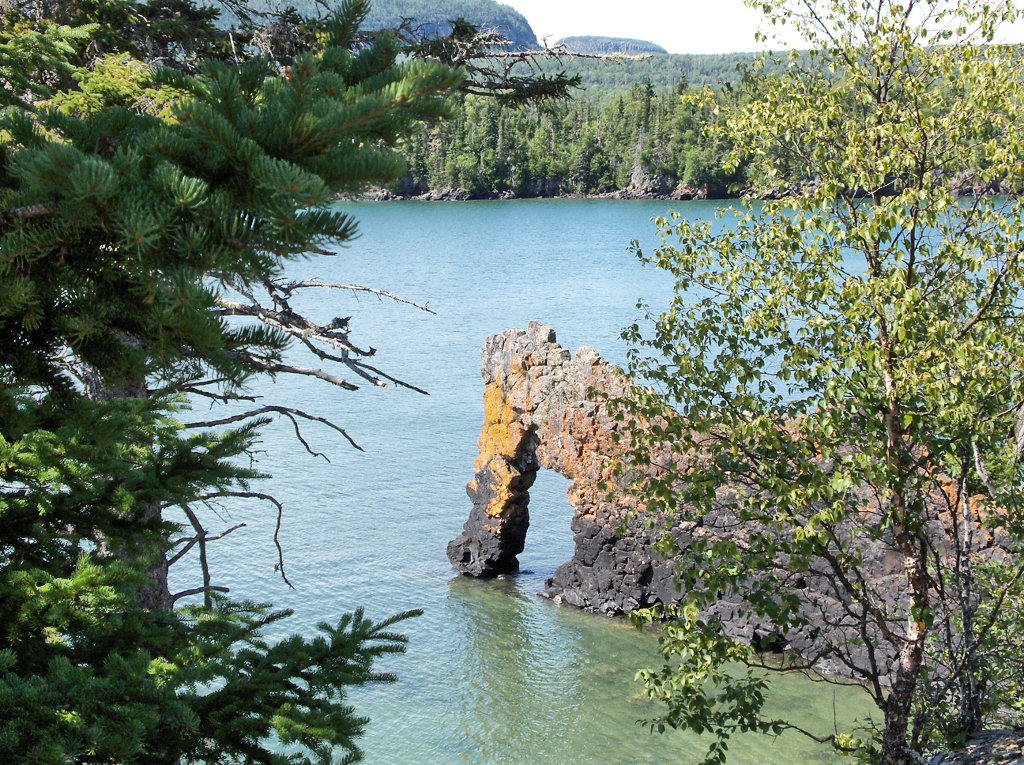
We were alone, deep within the woods, when we heard it: a rustling in the trees ahead. My heart jumped to my throat. Naively, we had left our bear spray back at camp, and now we were standing in the middle of a ripe berry patch. Shaking with fear, we waited for whatever it was to emerge.
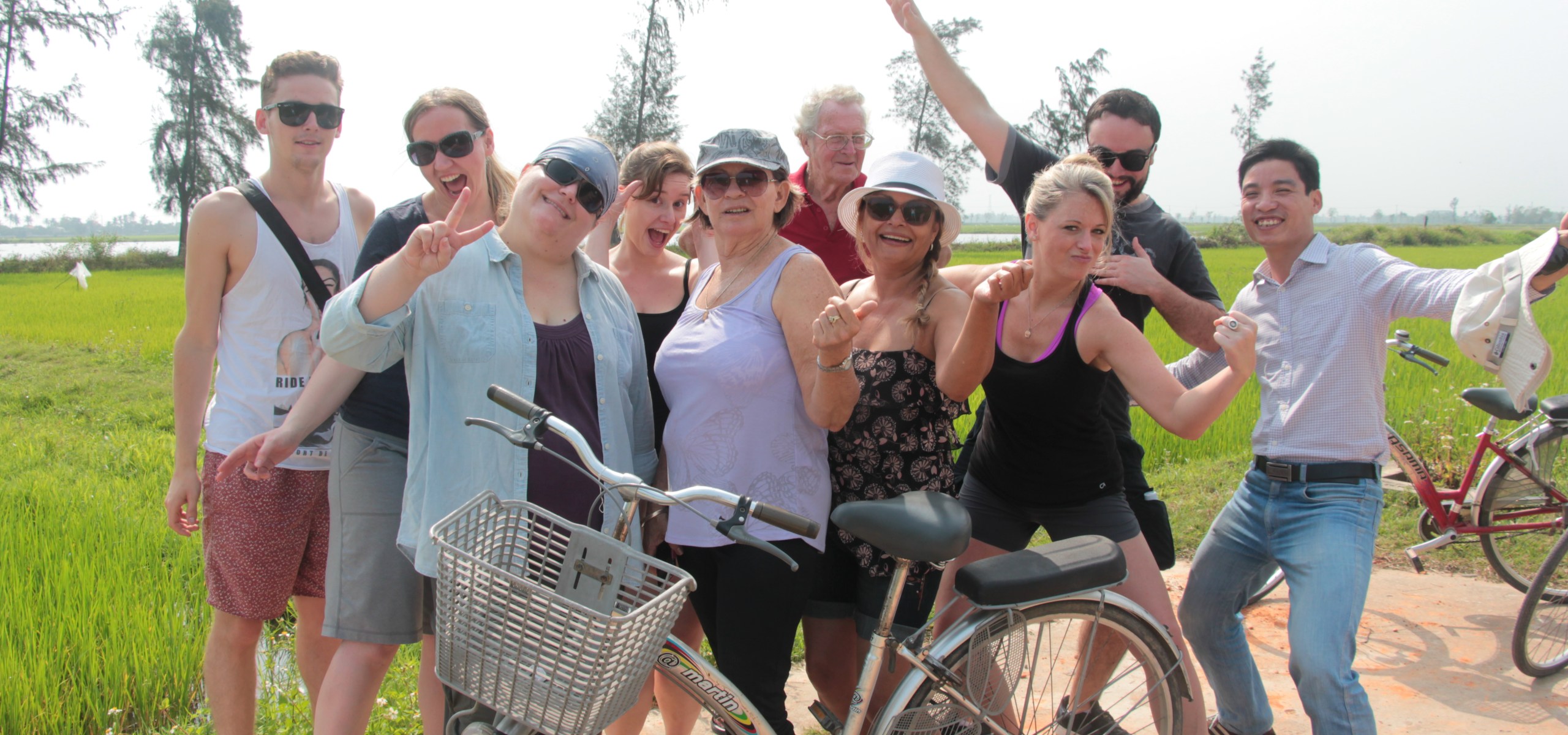
Like most travellers, I’ve made a lot of friends on the road. My Facebook feed is filled with acquaintances from around the globe, people I’ve met in passing who maybe I’ll see again in a year, maybe I’ll never see again. And I love it. I love that should I hop a flight to Paris or Vancouver, Sydney or Havana, there will be a familiar face on the other end, even if it’s just someone to grab a coffee with while I’m in transit to the next destination. I also hate it.
I’ve travelled solo and with groups, and both have their pros and cons. For most of us, solo travel—at least initially—feels immensely more difficult. Heading off to the unfamiliar, orienting yourself, realizing that you have full reign over your itinerary—these can be hard to handle. But travelling with others, especially as a group, also has its own troubles. Like how it’s really easy to get tired of people when you spend every day and every night with them on the road and oh my god, will you people just go away? At least, that’s the issue most people cite. But there’s another downside to group travel, one that doesn’t get discussed nearly as much: the loneliness that comes with saying goodbye.
I find there are four stages to every return from a group trip:
1. One Day Back
You’re thrilled to be away from everyone. Like, you’re naked dancing around your apartment just because you can, you’re so happy (don’t forget to close the blinds—you’re not that alone). Finally, you can have lunch by yourself, you can stay up as late as you want without worrying about waking your dorm mates, you can sit in absolute solitude staring at the wall. It’s amaaaaazing.
2. Three Days Back
You realize maybe you do want to see people after all, so you book dates with friends and family, mainly so you can regale them with tales of all the adventures you had while you were away. You’re still riding the high of travel, living life through the lens of your last destination. And as you tell the stories about people who your friends and family will never meet, you get that first twinge that something’s missing.
3. Five Days Back
You suddenly miss everyone. Even that guy who everyone secretly hated because he never stopped talking and kept stealing people’s food. There were always too many French fries on your plate, anyway. And so you start stalking all of them on Facebook and Twitter, hoping that they miss you as much as you miss them, and best of all, they usually do. A lovefest ensues of tagged photos and comments about how much fun it all was.
4. Two Weeks Back and Beyond
After a while, the comments start to slow down. You stop trolling one another’s Instagram feeds. You all still adore each other, and the memories are still just as wonderful, but real life takes over and you have to move on because all that Facebook stalking was really getting in the way of your workload and you have bills to pay.
There’s an intimacy that comes from travel, something that can’t quite be replicated at home. Unfamiliar places, cultures, languages, foods—all this pushes you together. You come to rely on one another, and the excitement of travel becomes entwined with the excitement of newfound friendships. (Side note: This is why everyone on The Bachelor declares they’re in love after two dates, and why it’s not that unreasonable for them to genuinely believe so—relationships function in a vacuum when you’re in a foreign land. Also when your dates involve helicopters and all-you-can-drink champagne, but I digress.)
And then, when you touch down on home soil, there’s a bit of culture shock as you try to meld the memories of your travelling family with your real-life world.
It’s not that you’ve made artificial friendships, although I realize that’s what it sounds like. Quite the opposite, I’ve made incredible friendships while travelling, formed bonds as strong as those I have in my “real life.” I was once told by a psychic (yes, a psychic, but hey, I was in New Orleans) that a person I met while travelling was my soul mate. I must have looked as skeptical as you are right now reading this, because she went on to say that everyone has dozens of soul mates over the course of their lives. Not all of them are romantic and many of them aren’t people who will stay in your life for long. They are people that you simply have a connection with, who were meant to come into your life at some point, for some reason. Maybe to teach you something about the world or about yourself—or for you to give something to them.
(In the case of my psychic visit, she told me this soul mate was apparently a neighbour from my past life who I was always fighting with, and we had come together in this life to mend our differences. Yes, yes, I know. But I always held on to that thought because I liked the idea of the universe righting past relationships gone wrong, even centuries later.)
As crazy as that little tangent sounds, it’s a concept I hold dear. Soul mates all over the world, passing in and out of one another’s lives just when you need them.
And then of course, travelling speeds things up, makes you fall—into love, into friendship—faster and with more force than you would at home, soul mate or not. It’s also, of course, ridiculously romantic. (There’s a reason every female traveller adores Before Sunrise, and it’s not just Ethan Hawke.)
And that’s why I both love it and hate it. Those friendships on the road are like a drug. You’re together and it’s all new and it’s a total high. But when you part ways, whether it’s after the first time you met or after you reunited over coffees in Rome three years later, you crash. A piece of your heart stays behind. And to recover, you book another trip and search out new people to start it all over with again. It’s official: you’re a junkie.
I’m admittedly a sap (ahem, if you couldn’t tell by reading this post). I don’t think I’ve ever said goodbye to a single travel companion without tearing up. And there are people wandering the globe carrying little bits of my heart that have attached themselves to them. There’s that overused phrase you see on all those inspirational travel posters and memes, that it’s about the journey, not the destination. Which is true. But most of the time, the journey is nothing without the people.
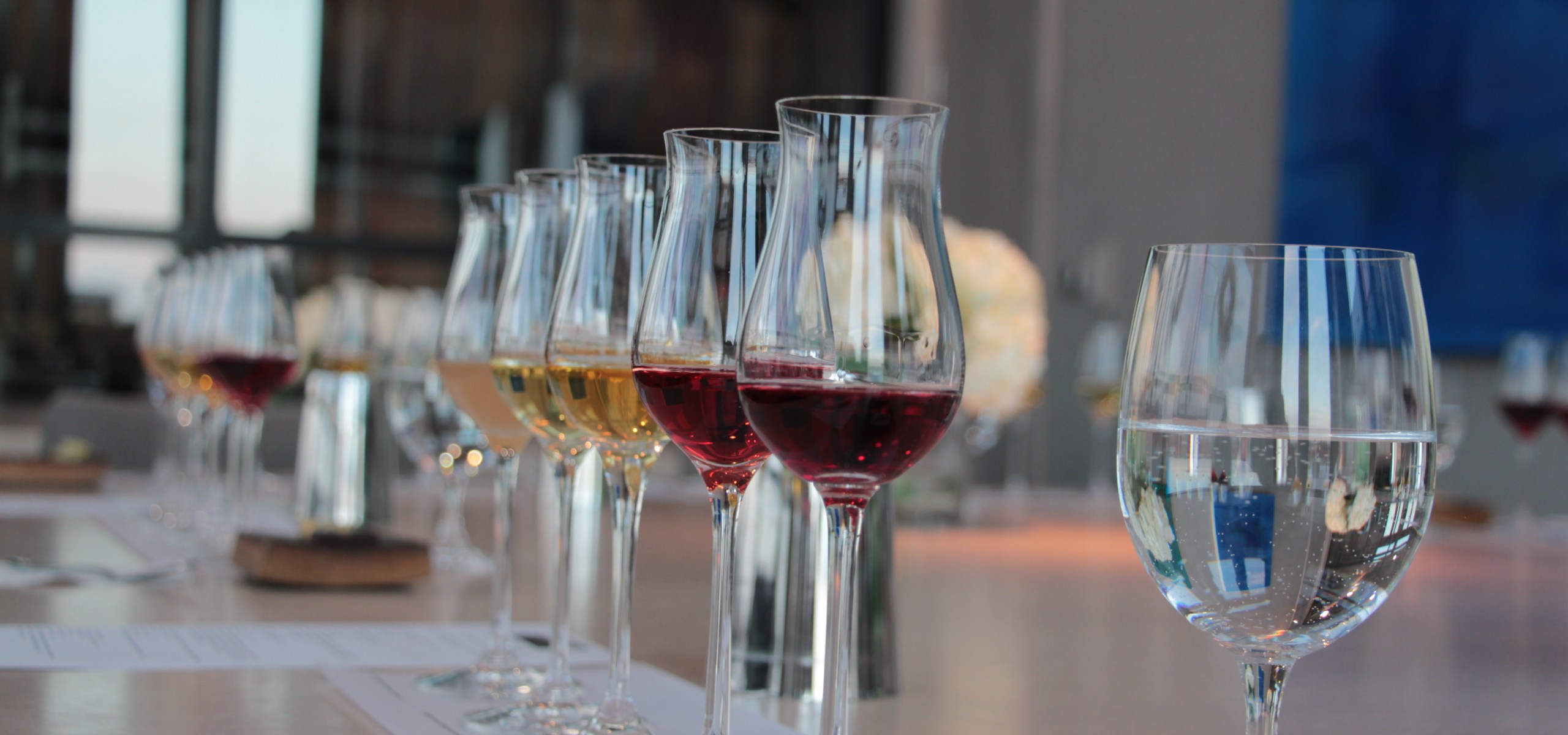
“Hidden gem” is a phrase that gets tossed around a lot in the travel sphere. So much so that it’s become a cliché, its accuracy debatable. After all, what’s “hidden” to visitors may very well have celebrity-like status for those who live in or near the area.
You could say that’s the case with Canada’s Niagara wine region. Located on the border between Ontario and New York State, Niagara is, in many ways, Canada’s claim to wine fame. It may not be as commonly known as other grape-growing regions, like California’s Napa Valley, France’s Bordeaux, or even Australia’s Barossa Valley, but many Canadians, in particular those who reside in Ontario, know that the vineyards that line the Niagara River are as worthy of the world stage as their sisters around the globe.
It seems as though spring waltzed in overnight in Southern Ontario. After the longest, coldest winter that many Torontonians had ever experienced—the year that will be remembered as that time a chunk of the city celebrated Christmas in an ice storm blackout and the term ‘polar vortex’ became part of our common vernacular—Mother Nature finally gave us a reprieve last week. Up until then, it felt doubtful warm weather would ever come; even as the ground was thawing and the sun returning, a bitter Arctic-like wind kept whipping through the streets like some cruel practical joke.
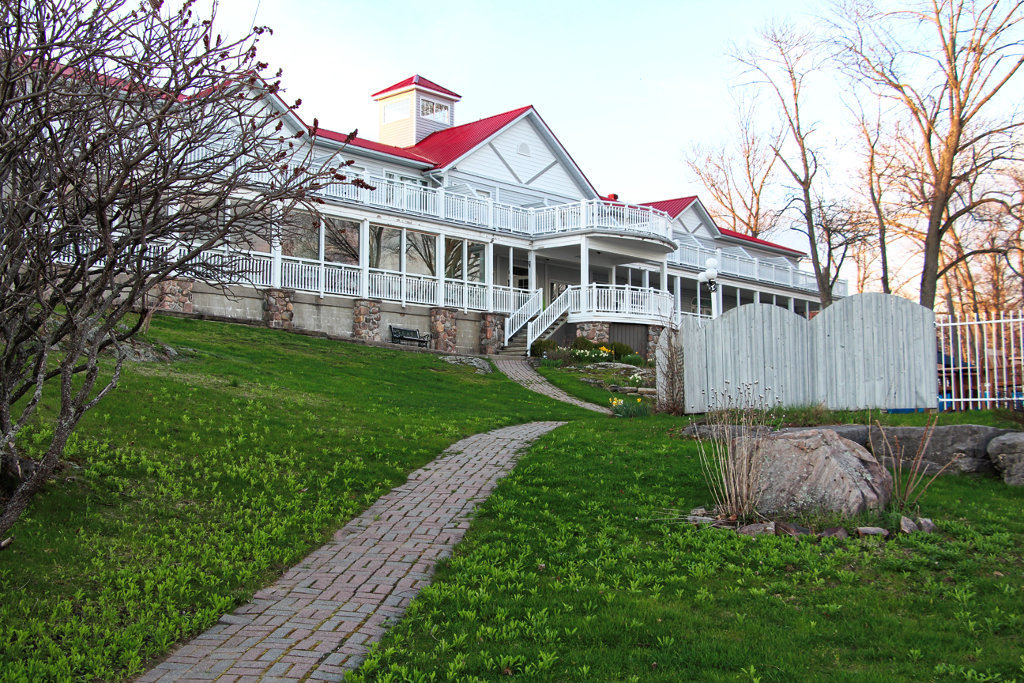
So after such an awful season, with the promise of summer seeming like a distant fantasy, my visit to Viamede Resort in the Kawarthas this past weekend, just as the wicked wind turned to a balmy breeze, was almost too perfect in its timing.
Located on Stoney Lake, about 40 minutes north of Peterborough and a little over two hours away (traffic permitting) from downtown Toronto, Viamede is a small resort property that’s just re-opened after its own long winter of renovations. It looks more like an oversized cottage than a hotel, with a massive porch and balconies accessible directly from the rooms and offering sweeping views of the lake.
I’ve written before about how Ontario’s cottage country has therapeutic powers. As much as I love the city, I also love escaping it. Nothing clears a stressed mind like a retreat to some quiet spot by a lake where the air is clean and the wifi unreliable. I’m telling you, it’s better than a therapy session.
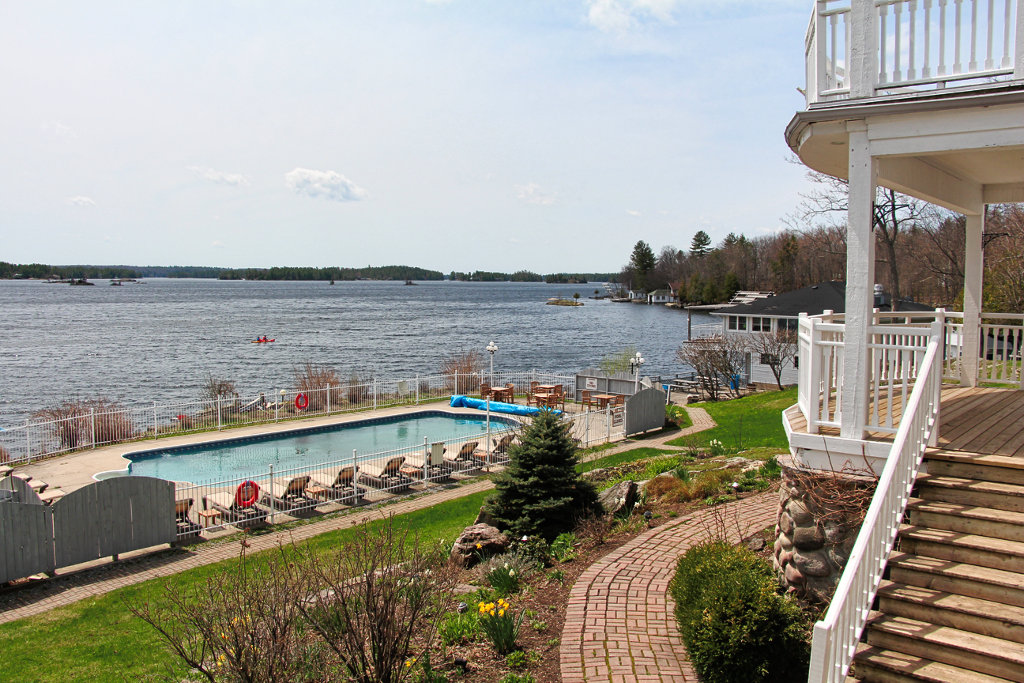
I was battling a few stressors of my own last week, including the arrival of my 35th birthday. Don’t get me wrong, I wasn’t bemoaning my age, mourning the loss of my youth amid bottles of wine (well, there were bottles of wine, but those were purely celebratory). But there’s something about a birthday that does make you sit back and take stock of things. It’s like a second chance at New Year’s—all those resolutions you failed to keep can be permanently pushed aside in favour of more realistic goals (like vowing to spend at least one afternoon a week sitting in the sun with a cocktail for the next three months).
When you’re lounging lakeside, you can re-assess all the things that were causing you to tear your hair out at home just the day before. You can think about the things you really want to pursue, whether it’s with work, relationships or something else altogether. You can acknowledge how much of a bubble Toronto (or any city) really is, and how much bigger the world is beyond the city limits—even just by travelling a few hours down the 401.
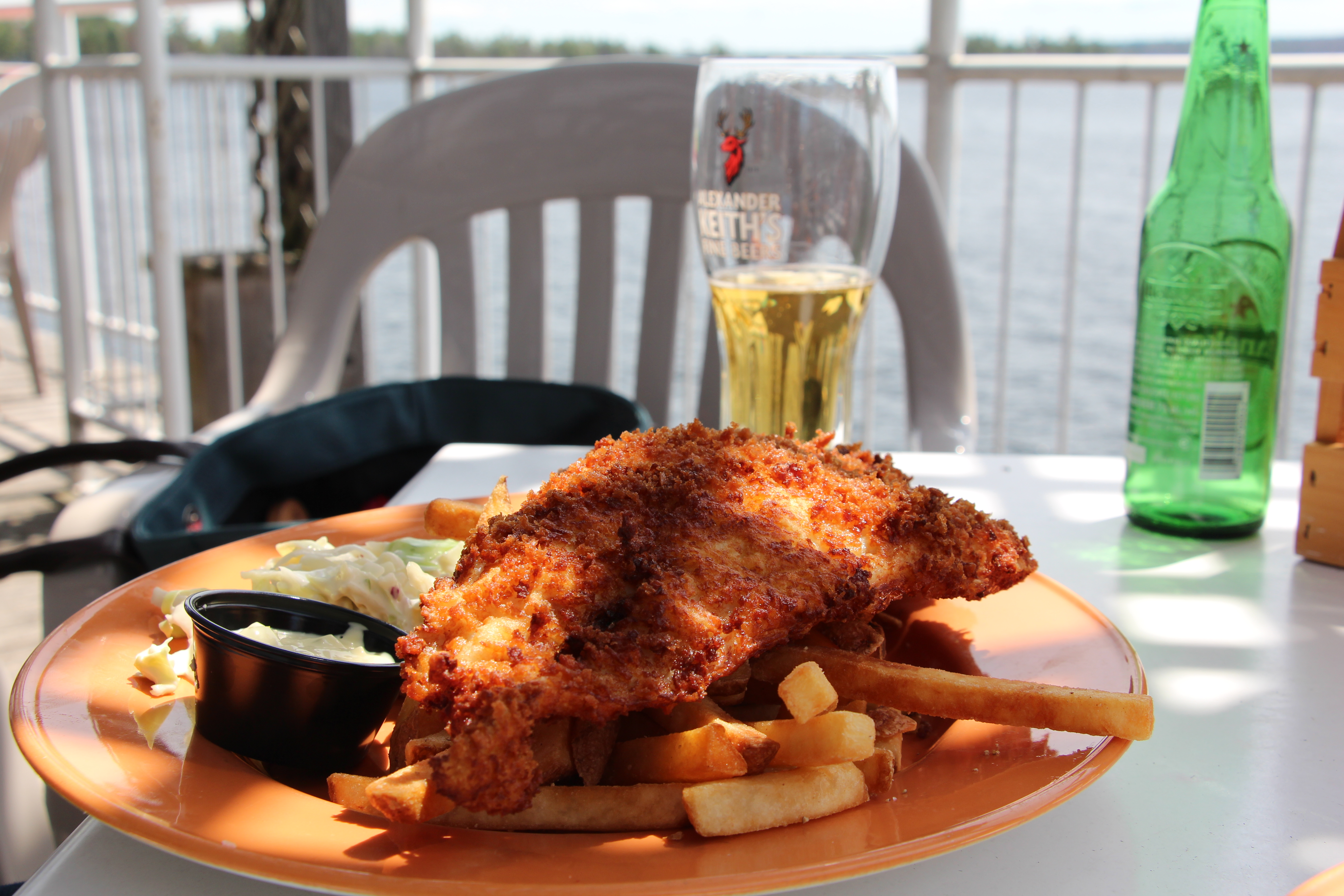
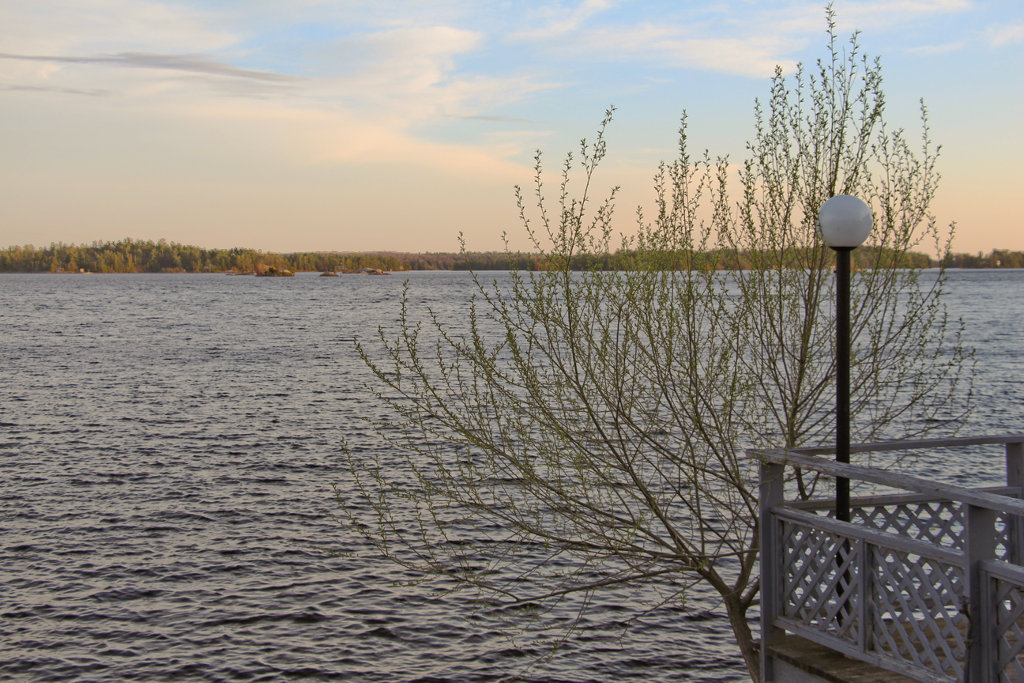
At Viamede, I really didn’t do anything at all. I sat on a rock beside the lake one afternoon and read a book, my bare feet dangling over the still very chilly water. I had breakfast on a bench overlooking the morning sun’s reflection on the lake. I sat on a fellow traveller’s balcony and talked with old and new friends for hours about nothing really at all. I drank Caesars and ate battered fish on a patio. (Side note: if you go to Viamede, order the fish at the Boathouse Pub. Trust me on this. No lie, the entire patio copied my order when they saw the plate come out.) I looked up at the clear sky at night and instantly remembered the camping trips I used to take as a teen, when I’d lie out on the rocks with a boy I had a crush on and pick out stars.
No matter what your plans are this summer, if you call the Toronto region home, please promise me you’ll escape for at least one weekend to the awesomeness that is rural Ontario. While I didn’t solve all of the problems awaiting me back home (I’m still 35), I was able to come back with a refreshed mind and new sense of energy. It’ll clear your head, too, I swear. And I won’t even charge you a therapy fee for the tip.
For more Viamede reviews, check out the coverage by my fellow travellers: ChicDarling.com, ShesSoSavvy.ca, TorontoBeautyReviews.com, ZachBussey.com, JamieLeighTO.com, MyShenanigans.com and ImCharmingYou.com.
My stay at Stoney Lake was courtesy of Viamede Resort and Charming Media; however, all views expressed are entirely my own.
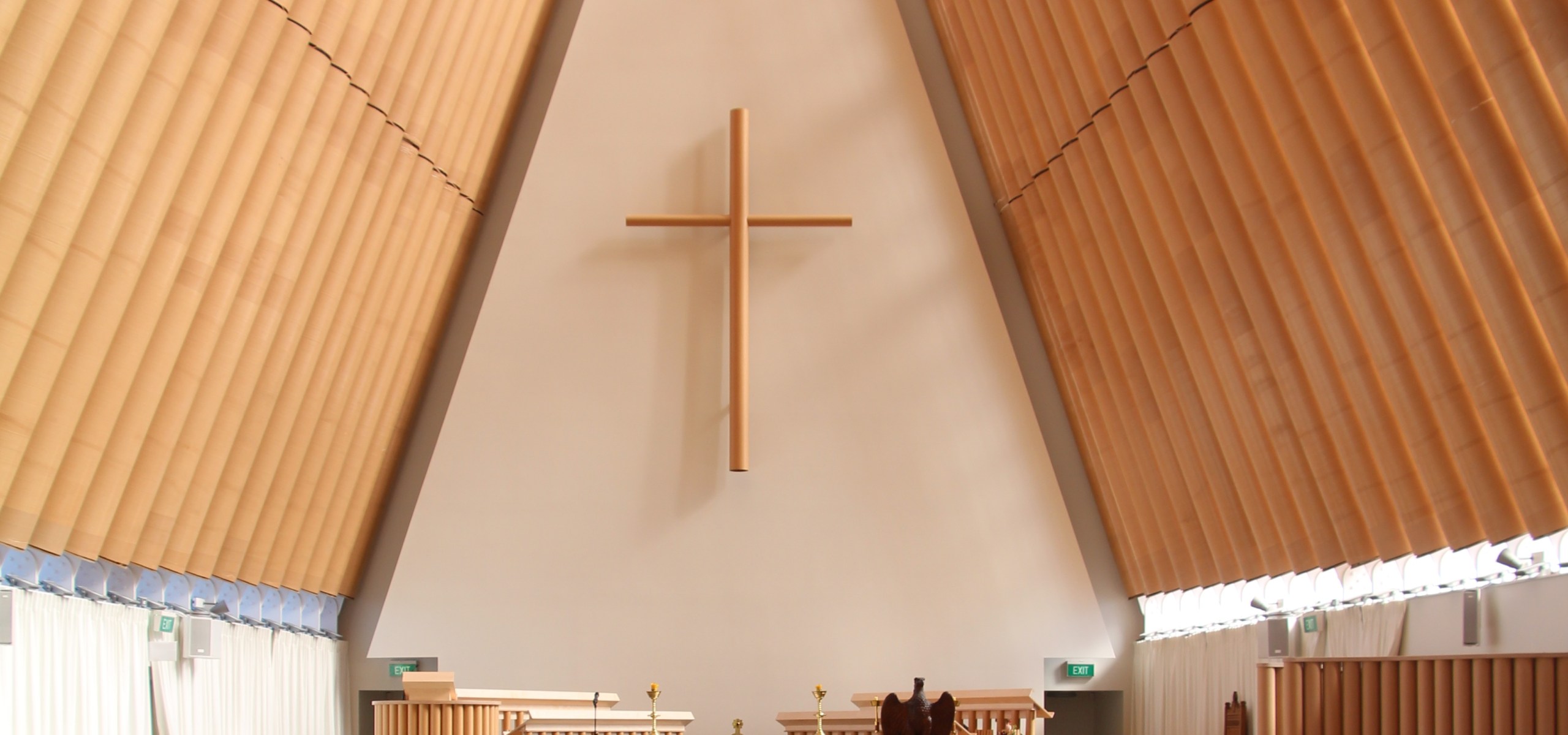
I looked around me, a twinge of guilt in my gut, before lifting my camera, snapping a shot and stuffing the offending lens back into my bag as quickly as I could, fumbling with the zipper and painfully aware of my surroundings.
I was in downtown Christchurch, New Zealand—a city ravaged by two devastating earthquakes in 2010 and 2011, and still in recovery mode now three years later. And I couldn’t decide whether to document the sites before me, or to take it in only in my mind. I’ve never been comfortable with disaster porn. Rubbernecking nauseates me. And why did I even want physical memories of the scene, anyway?

It took me all of a day to decide I didn’t like Hanoi. I arrived at night under a sky that was starless and rainy, air that felt cool and clammy—and in a taxi that cost me $15 more than I had anticipated. Come morning, a grey haze hung over the city, drizzly rain seeping into every crack of the mangled sidewalks and into my pores—admittedly a welcome relief after leaving behind a cold Canadian winter that had my skin as parched as a desert. The streets screamed with chaos—cars, motorbikes and bicycles all surged from seemingly every which way, a moving mob on wheels.
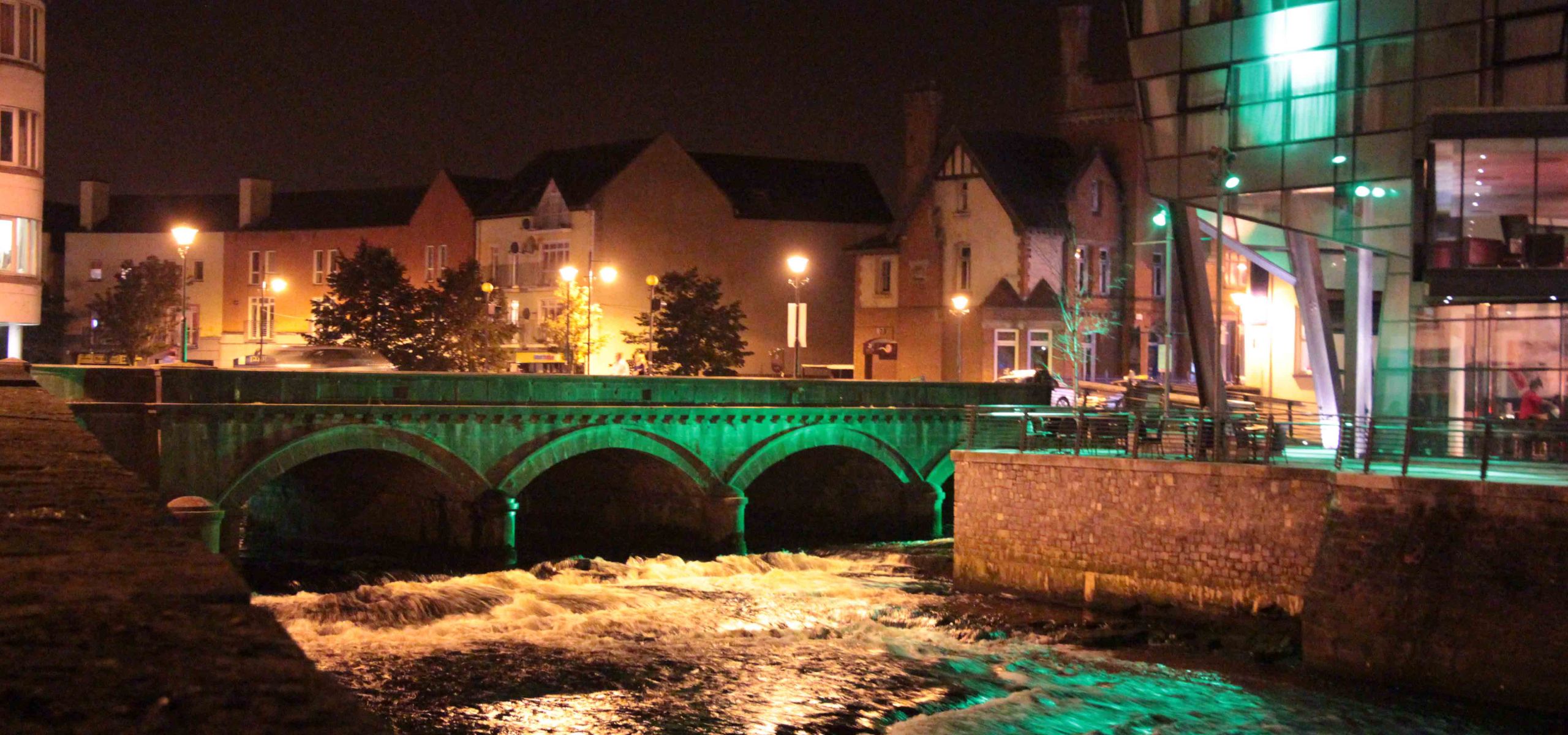
It’s the palm trees that get you.
There are some things you expect to see in Ireland: rolling green hills, fields of sheep, rainbows with leprechauns at the end pouring pints of Guinness. But not palm trees.
The travel world was abuzz a few weeks ago with news that Conde Nast Traveler will now permit writers to accept media rates. This is serious news for the revered publication, which, along with big names like National Geographic Traveler and Travel + Leisure, has been famed (and alternately praised and criticized depending on which side of the fence you sit) for refusing to accept stories that included any kind of compensation in kind from airlines, hotels, restaurants, tour operators, tourism boards, etc.
To make matters even more interesting, Conde Nast also chose that time, coincidentally or not, to change its tagline from “Truth in Travel” to “Taste in Travel.” Savvy travel reporters jumped on it, discussing the “truth” of Conde Nast and the new permissions. But was the change needed? Why are press trips and truth mutually exclusive?
Many publications—most notably many newspapers—have long permitted sponsored or subsidized trips to be included in with their editorial, so long as a disclaimer is provided (although this is hardly universal practice). And the current travel blogging industry is largely based entirely on sponsored trips.
It’s a debate that fires up people on both sides. On the one hand, publication rates are dwindling so low that writers have no choice but to accept freebies where they can get them. Unless publications can cough up the dough for writers’ travel expenses as well as the story, travel writing will be limited to the few who can afford to pay their way. And while I may not know the internal budget for Conde Nast, I’m fairly certain that paying thousands of dollars for a single story in order to cover a writer’s travel costs is just not feasible in today’s media industry—even for CN Traveler.
And on the other hand, there are the purists, who (understandably) believe that there can only be bias in sponsored writing. How do you give a bad review to the hotel that gave you a free night’s stay? Or to the airline that flew you ’round the world for free? You can promise to report honestly, but what’s more troublesome is the fact that it’s nearly impossible to even have a bad experience on a sponsored trip. Press trips, by their very nature, are designed to give media the best impression of a destination. The odds of staying at a sketchy hotel or seeing the less-than-beautiful side of a city are severely limited once a tourism board is footing the bill.
It’s a lose-lose situation for traditionalists in the travel media industry. But, obviously, a big win when it comes to tourism brand marketing. And it’s up to those of us left somewhere in the middle to toe the line of journalist versus sell-out.
I confess: I’ve taken and written about press trips, just as I’ve also written stories about trips that I fully funded on my own dime. And as a travel editor, I regularly accept pitches based on content created from press trips. I like to think that I maintain the same journalistic integrity regardless of who’s paying, and as an editor, I push my writers to do the same. But of course I know the “truth” still gets muddled.
I’m hardly the first person to write about this dilemma. BootsnAll put the debate to its followers recently, calling the practice of press trips the “Dark Side of Pro Travel Blogging.” Long-time travel editor and writer Adrian Brijbassi, of Vacay.ca, wrote a thoughtful piece for The Huffington Post on the controversy, comparing it to concert and movie reviewers and sports reporters, who are all handed free tickets to their respective events, without criticism. I say both articles are equally right.
There is no easy answer. Taking an extreme position means either turning travel writing into strictly a marketing effort, or bumping up the pay rates to levels far above today’s publishing allowances. And so, we, in order to stay true to ourselves and our audiences, have to balance that line.
For me, as a writer, that means never taking press trips at face value. Even when I’m on a sponsored tour, I venture away for at least a few hours, to wander, to get lost, to find things that aren’t censored behind the wall of a tourism rep. (Besides allowing for honest finds, that’s the greatest part of travel: finding the places you didn’t expect to find.) And when I write, I aim to be a storyteller rather than a reviewer, because I’m still old-school enough to believe that true reviews should be written without the restaurant or hotel paying, and with the writer remaining anonymous. And I never make the sponsor the star. The star of the story is the hook, the news angle, the theme, or even just the mood of the destination—and those are things that can’t, and shouldn’t, be controlled by a sponsor.
As an editor, I don’t accept reviews on a single hotel or restaurant or tour company, lest it comes across as an advertorial for that business. I do permit themed round-ups of such places, written with material from press trips, but again, I want the pieces to be more than just ads with a cringe-worthy boastfulness of, “It’s nice and I stayed for free.” I expect my writers to sample multiple places and write about the ones that resonated the most with them, not just the ones that paid the bill.
It’s not a perfect solution, but it’s one that gives me the most comfort in the complicated world of travel writing today. Because even when a trip is sponsored, whether it’s the full deal or just a meal or a hotel stay, there must be room for real journalism with opinion and research and authentic storytelling. We owe it to our readers, who make up the audience that trusts us in a world of non-stop ads, and we owe it to ourselves as professionals in an industry that at its very heart remains journalism.
 Anywhere & Here