

It was the scent that first caught my attention. The sweet smell of frying batter floated through the air, catching my nose and transporting me on a cloud of memories to funnel cakes and BeaverTails at amusement parks and carnivals back home.
My interest—and nostrils—completely captured, I then noticed the line of people that snaked along the cobbled Calle Mercaderes in Old Havana. There were dozens in line—young Cuban children clutching coins or sprinting circles around their parents, teenage girls gossiping and tourists like me, who were mesmerized by the scent.

I met her after a long day in Havana. I was alone in a bar called Dos Hermanos, in a quiet part of La Habana Vieja. It’s the other Hemingway bar. Everyone goes to La Bodeguita del Medio, where the mojito is rumoured to have originated, but I wanted something more authentic, more removed from the touristy crowds of Calle Obispo.
Havana always feels “on”. When the traffic moves and the people flow, it feels like it’s in all directions at all times. It’s hot and crowded and loud and exhilarating with its almost rhythmical chaos. But there are pockets of quiet if you know where to look. Like watching the sunset along the Malecón. Or like slipping away from the tourist crowd and sipping cocktails with strangers.
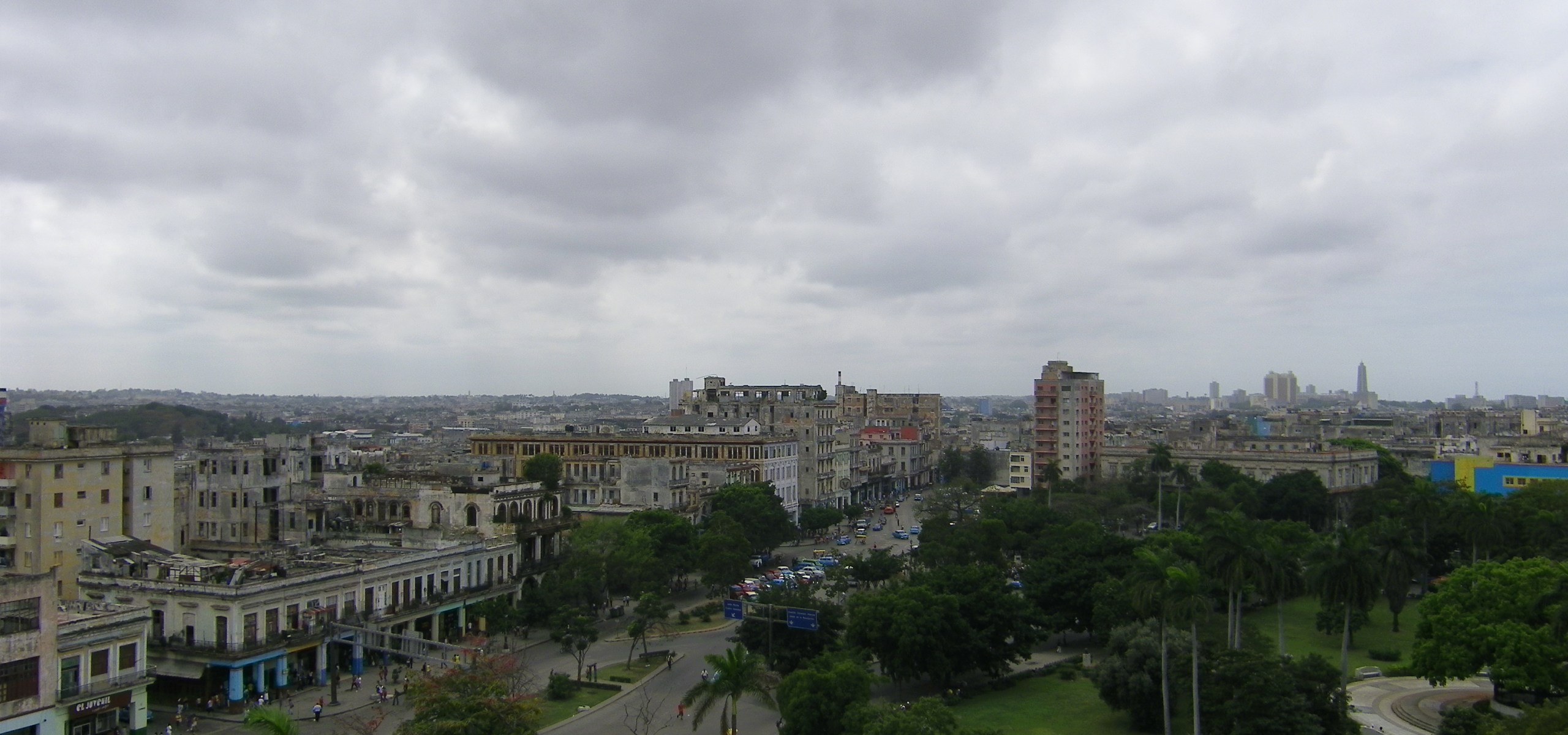
I recently spent some time in Havana, and immediately fell in love with the city’s energy and rhythm, the way the city pulses at night with music and life, and the way it attacks your senses by day. It is loud and lively and wonderful, and broken and sad and exhausting. It is everything rolled into one, and it gets under your skin.
But while La Habana Vieja charmed me, and the signs of revolution and socialism intrigued me, it was the Malecón that touched me more than anything else. This boulevard and seawall stretches along the city’s waterfront for eight kilometres, sweeping past both Havana’s old city and modern core before ending at the Alamandares river and the tunnel that leads to the leafy, luxurious streets of Miramar. But it’s also more than just a seawall. It is the city’s “sofa,” where people come each evening to share a sunset, a drink, a snack or a kiss.

“Dos mojitos, por favor.”
The bartender shook his head sadly. “No mint,” he said.
I turned to my friend Erika in horror. Here we were in Cuba, home of the famed cocktail of rum, sugar, lime, soda and mint, and I was being denied. We had just arrived at our hotel in Veradero, and I wanted to christen the start of our vacation with the country’s national drink. Heck, I had been drooling at the thought of tasting an authentic Cuban mojito since our plane had taken off from Toronto.
Perhaps because it was late in the day, we reasoned. There’d be more mint tomorrow. But the next day, the same. And again the following day.
I was in the land of the mojito with no mojito.

Part 1 of this post covered the eruption of, and my visit to, Eyjafjallajökull.
Gateway to hell
West of Eyjafjallajökull, the “gateway to hell” sits beneath a misty shroud. It is Hekla – Iceland’s most famous volcano (at least it was, until Eyjafjallajökull sprang to life) – and it has had a violent existence. Records of Hekla’s eruptions date back to 1104, with eruptions lasting weeks, months, or even years. In the 16th century, it was declared the gateway to hell when people claimed they could hear the cries of the damned coming from deep within it.

April 14th marks the anniversary of the Eyjafjallajökull eruption in Iceland. You know the one. The little ash cloud that disrupted flights across half the northern hemisphere. The one that was dubbed the worst travel disruption since 9/11.
I had booked my trip to Iceland right before Eyjafjallajökull blew. My original itinerary had included a camping and hiking excursion along the Fimmvörðuháls trail in Þórsmörk, where a volcanic fissure had opened up in mid-March 2010. Tour companies were taking visitors to see the exploding lava up close and when I had heard of the “tourist-friendly” eruption, my inner travel writer jumped on the story.
But before I could depart, Eyjafjallajökull exploded, news hit of closed airports across Europe, and I held my breath as I waited to hear the fate of my own flight. Remarkably, it went ahead; in a strange twist, Iceland’s international airport remained open during most of the disruption as the ash blew east, away from the airport on the west coast. And so, it was with a bit of surprise (and disbelief from friends back home) that I touched down at the black fields of Keflavik airport while a volcano smoked in the distance.

Chris, my friend and tour guide while I was in Los Angeles, had ordered a death sentence of tequila. Called the “Blood and Sand,” I swear it’s a drink meant for those with numbed taste buds, livers of steel, or just a serious desire to do a face-plant into their peanuts. As I watched in horror, the bartender set a cocktail down in front of us, glowing purple and reeking of sugary rum. With a dramatic flourish, he raised a bottle of Jose Cuervo in the air, its spout in the shape of a bull’s head, and began pouring. And pouring. And pouring. Soon the mug was overflowing with tequila, and as he poured, the other customers yelled out “Toro! Toro! Olé!” with such ferocity I felt like I had stepped into the ring at a Barcelona bullfight and not into a pub in Hollywood.
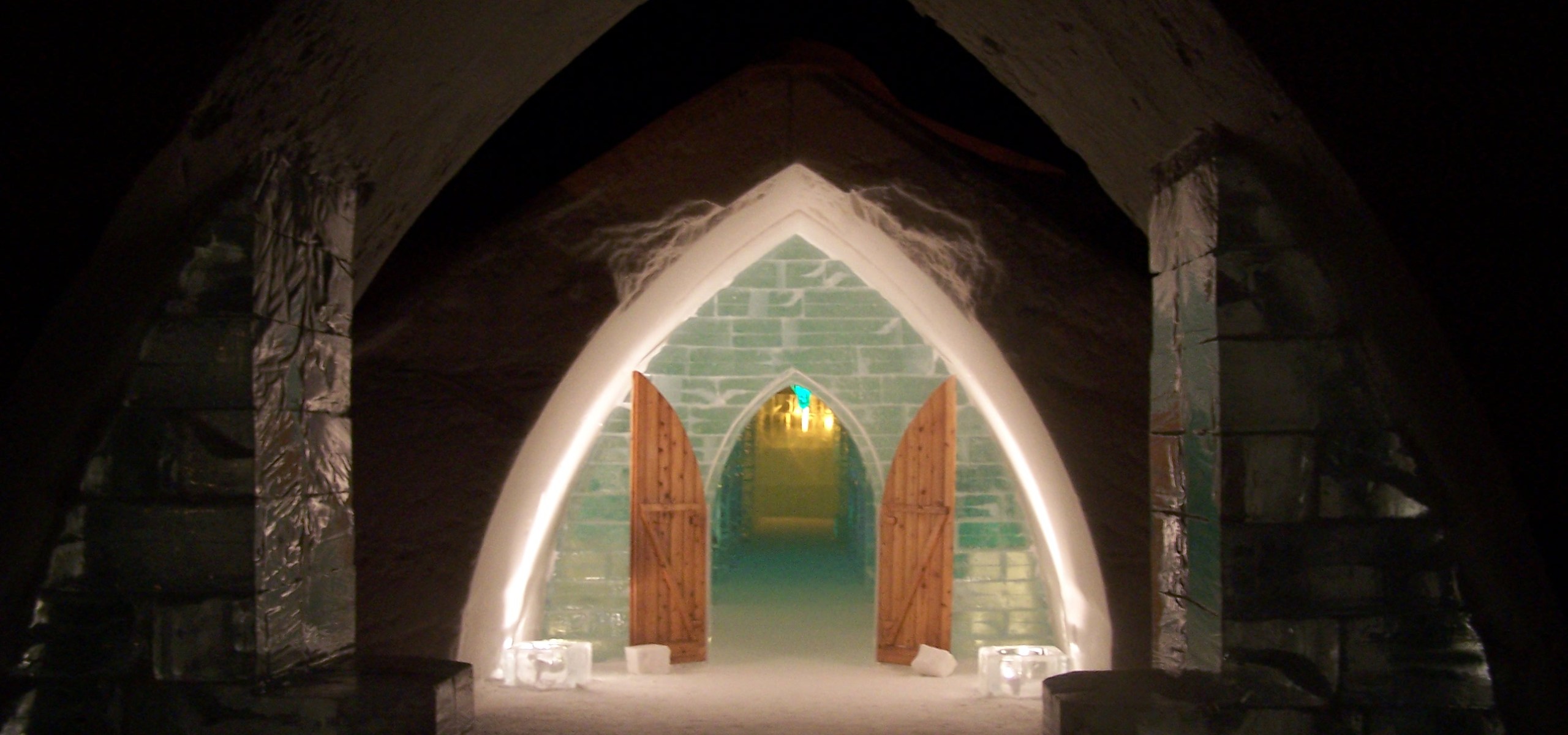
A few years ago, my then-boyfriend and I braved a chilly night at the stunning and surreal Hotel de Glace in Quebec, Canada. And while it was one of the coolest (no pun intended) experiences I’ve ever had, it was also the worst night of my life. Damp, cold, and with a pressing bladder demanding my attention, I spent the entire night in a semi-asleep state, praying for total unconsciousness.
And yet, I would do it again in a heartbeat.

I fell in love with Cape Tribulation unexpectedly.
In all fairness, my friends and I didn’t know much about it before we went. For some reason, I had researched every stop on our big Girls’ Australian Adventure (a month-long trip with my sister and two of our girlfriends) weeks before departure, but Cape Trib had slipped my mind. So that’s why I first ignored its attempts to woo me.
I was cranky and hungover, the result of our previous night in the backpacker-central booze fest that is Cairns, when the van we were riding in pulled a quick u-y and came to an abrupt halt, kicking up a cloud of dust behind it. The driver motioned to us that it was our stop.
Peering out the window, I was met with only a dense wall of towering trees. There was no traffic, no people, no sound, except for the buzzing of flies and an occasional squawking bird. The heat was sweltering, and I suddenly felt like a cast member on Survivor, dropped in the middle of the jungle with nothing but my bikini and flip-flops, and the faint promise that someone would be back to pick us up.
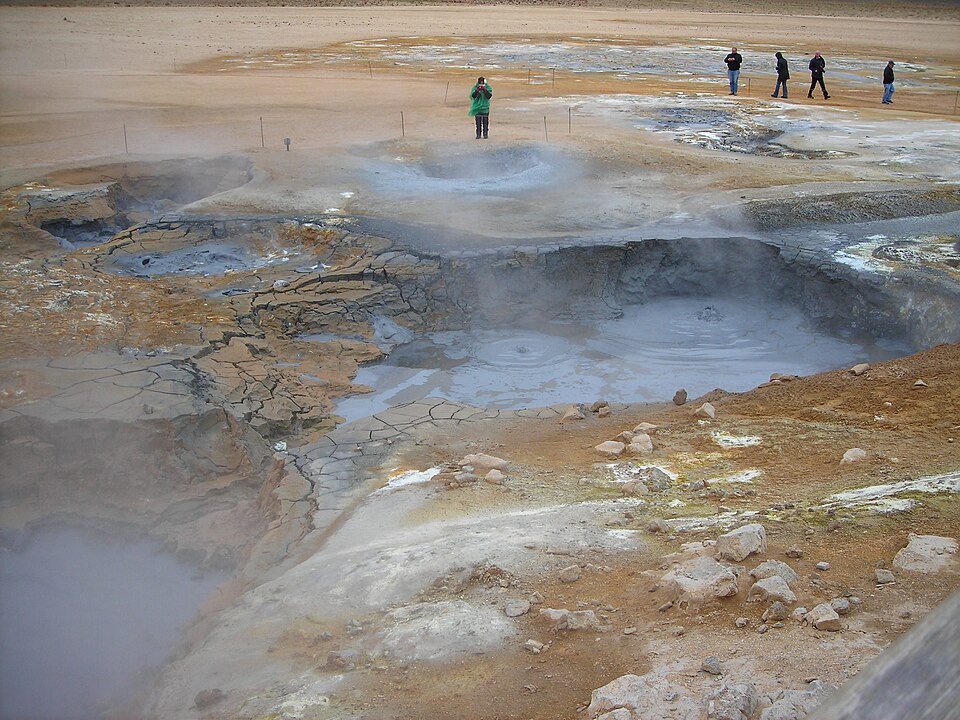
Iceland’s landscape is often described as “other worldly” or “eerie,” with its black lava fields, steaming hot springs, and temperamental volcanoes that leave you feeling as if you’re on another planet. And while much of this small arctic country fits that description, perhaps no area displays the alien-like beauty of Iceland like Lake Mývatn.
Located in the tiny village of Reykjahlíð in northern Iceland, Mývatn sits nestled amidst ancient lava fields, bubbling craters, and steaming, sulphuric mountains that are tinged in surreal shades of orange and pink pastel. It is a highly volatile area, as Mývatn sits directly atop the mid-Atlantic ridge – an underwater mountain range and the spot where Europe and North America are literally pulling away from each other. The resulting landscape is the result of thousands of years worth of violent volcanic eruptions. The lake itself is littered with more than 50 small islands known as pseudocraters, which resemble hollowed out hills and were formed by gas explosions as boiling lava from nearby volcanoes flowed into the lake.
One of Iceland’s most famous volcanoes, the Krafla fissure, sits in the Mývatn area. It last erupted in a spectacular explosion in 1984, when an 8.5 km long fissure opened up, spewing fire from the ground. Krafla is still highly active (a geothermal power plant has been built there, harnessing some of this energy), and is considered an extremely dangerous volcano. While visitors are allowed to walk on the trails around the area, they are strongly advised to stick only to the marked trails. The ground at Krafla is extremely hot and thin in spots, and one wrong step could plunge your foot through.
There are numerous hiking trails around Mývatn, with the most impressive one being the Hverfell-Dimmuborgir trail. This path will lead you to some of Mývatn’s most interesting sites, including water-filled caves where the water is 45 degrees celsius, massive craters from past eruptions, and oddly shaped lava formations that date back 2000 years.
After a day of hiking through lava fields and visiting the boiling craters of Krafla, spend the evening floating in the Mývatn Nature Bath. A smaller version of Reykjavík’s Blue Lagoon, it is a soothing pool of hot, turquoise-coloured water, perched atop a hill overlooking Mývatn and the town of Reykjahlið. As you soak in the naturally heated pool, you can gaze out at the black lava fields, pseudocraters, and desert-like geothermal fields, and marvel at the alien beauty of Iceland.
When to go to Lake Myvatn
The best time to visit Iceland is from May to August as the weather is at its warmest, the days are at their longest, and all tourist accommodations are up and running. Of course, it also means it’s when the country is at its busiest. If you prefer less crowds, but still want the convenience of mild weather and long days, visit in late April or early September. Just be warned that many hotels and restaurants in the smaller towns only operate during peak tourist season.
There is an annual marathon in June that sends runners on laps around Lake Myvatn.
Odds n’ ends
- Mývatn translslates to “midge lake”, and in mid-summer, the area is swarmed with these blackfly-like insects. Some midge species bite, so buy some good insect repellent if you plan to visit in June/July.
- Hotels can book up quickly in the Mývatn area, especially in the peak summer months, so it’s important to book ahead. Be prepared for pricey accommodations. For the outdoorsy type, campgrounds are a more affordable option.
Places to eat
Gamli Bærinn (The Old Farm)
Pub-style restaurant next to the Hótel Reynihlíð, featuring traditional Icelandic cuisine, including lamb soup and hverabrauð (a locally made molasses rye bread that is baked underground by natural geothermal heat).
Places to stay
Hótel Reynihlíð
Considered a business-class hotel, it offers clean but basic accommodations in a cozy setting; however, rates are on the expensive side.
Hótel Reykjahlíð
Small hotel at a mid-level price range, with excellent views of the lake.
This article originally appeared on thecircumference.org.
Featured image: Wikimedia Commons
 Anywhere & Here